
Knowing Etna weather conditions is essential for planning your visit to Europe's tallest active volcano. With over 3,300 meters of altitude, Etna weather can change rapidly: in the same day you can go from brilliant sunshine to icy winds and sudden fog. Weather conditions directly affect trail accessibility, panorama visibility and the safety of your experience.
Etna climate presents temperature differences that can reach 10-20 degrees less compared to the Sicilian coast. Being informed about Etna weather forecasts is not just a matter of comfort, but essential safety. This guide helps you choose the best time to visit Etna and prepare for every season.
Etna Weather in Real Time
Check Etna Nord weather forecasts in real time to best plan your visit. Weather conditions can change rapidly and safety comes first.
Weather conditions at altitude can vary drastically compared to the coast. Always monitor updated forecasts before leaving for an excursion, especially if you plan to reach high elevations.
When the weather is stable and visibility is high, it's the perfect time to head up Etna. 4x4 tours to the 2002 craters from €69, sunset excursions from €79, guided trekking from €100.
Etna Climate: Month-by-Month Forecasts
Etna climate is Mediterranean mountain climate, with significant variations by season and altitude. While Sicily has hot summers and mild winters, Etna offers unique conditions year-round, ideal for high-altitude activities. Discover guided tours on Etna for every season.
Etna Weather in Spring (March-May): Ideal Period for Excursions
Spring is one of the best times to visit Etna. The volcano awakens: green hills, wildflowers and blooming vegetation.
- Temperatures: 10-20°C at medium elevations. Piano Provenzana (1800 m): highs 13-19°C, lows from -3°C (March) to 6°C (May)
- Conditions: Clear days, excellent visibility. Snow above 2000 m until March
- Advantages: Fewer tourists, lower prices, ideal for trekking and photography
- Ideal for: Hikers, photographers, families
Etna Weather in Summer (June-August): Maximum Operations
Summer is the most popular season to visit Etna. Summer weather conditions on Etna are generally stable and sunny.
- Temperatures: Low areas over 30°C, higher elevations cooler. Piano Provenzana: 23-30°C (max), 11-16°C (min). Summit craters: max 15°C
- Conditions: Clear skies, long days, extraordinary visibility
- Advantages: Cable car and tours 100% operational, suggestive evening and night excursions
- Disadvantages: More tourists, higher prices, possible dust in case of volcanic activity
- Ideal for: Adventurers, families, volcano enthusiasts
Etna Weather in Autumn (September-November): Colors and Harvest
Autumn is an exceptional period to discover Etna, combining the best of every season.
- Temperatures: 15-25°C in September, then gradually cooler. Piano Provenzana in November: 16°C (max), 10°C (min)
- Conditions: September still warm, more frequent rains from November. Good visibility, less strong wind
- Advantages: Less crowd after September, perfect season for wine tourism (harvest, tastings)
- Ideal for: Wine tourists, photographers, quiet travelers
Etna Weather in Winter (December-February): Snow and Skiing
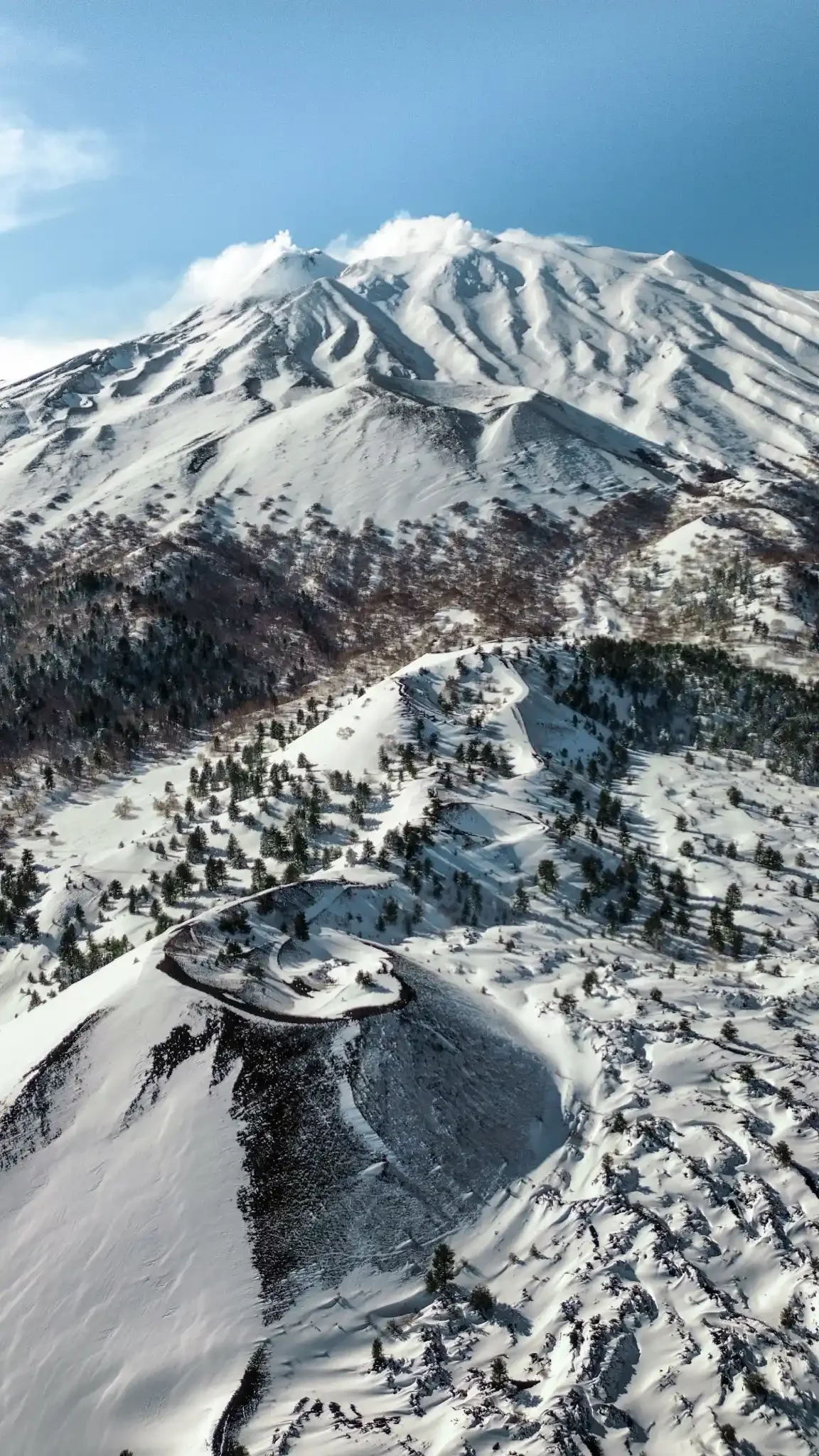
Etna in winter offers a unique experience: skiing on an active volcano while looking at the sea.
- Temperatures: 0°C to -10°C at summit craters. Piano Provenzana: 10-13°C (max), -4/-5°C (min)
- Conditions: Summit often snow-covered, summit excursions may be limited
- Advantages: Fairytale landscapes, skiing at Piano Provenzana and very few tourists
- Ideal for: Skiers, adventurous photographers, adventure lovers
What is the Best Time to Visit Etna?
There isn't just one best time to visit Etna: it all depends on the type of experience you're looking for. Check the comparative table below to choose based on your preferences.
Comparative Table: When to Visit Etna
| Season | Temperatures (medium elevations) | Main Advantages | Ideal For |
|---|---|---|---|
| Spring (Mar–May) | 10–20 °C | Nature in bloom, fewer tourists, ideal climate for trekking | Hikers, photographers, families |
| Summer (Jun–Aug) | 15–30 °C at altitude | Long days, clear skies, sunset tours | Adventurers, volcano enthusiasts, families |
| Autumn (Sep–Nov) | 15–25 °C (Sep), 5–15 °C (Nov) | Autumn colors, harvest, less crowd | Wine tourists, photographers, quiet travelers |
| Winter (Dec–Feb) | 0 to −10 °C at summit | Snow, skiing, unique landscapes, peace | Skiers, photographers, adventure lovers |
Recommended Activities by Season
- Summit craters excursion: Spring, Summer, Autumn
- Wine tastings: Autumn
- Skiing and snowshoeing: Winter
- Sunset tour: Summer, autumn
- Stargazing: Summer nights
- Family trips: Spring, early autumn
- Landscape photography: Spring, autumn
To book your guided experiences, check our dedicated page.
Etna Temperature: How It Varies with Altitude
Weather conditions on Etna vary drastically with altitude. Etna temperature decreases by 10-15 degrees every 1000 meters of elevation gain. This rule is fundamental for proper preparation.
Temperatures by Altitude Ranges
- Linguaglossa (550 m): Climate similar to the coast. Summer: 30-35°C (max), Winter: 10-15°C
- Piano Provenzana (1800 m): Etna Nord base. Always 8-10 degrees less than Linguaglossa
- 2000-2500 m elevations: Intermediate zone (cable car/jeep). Summer: 15-20°C, Winter: below zero with snow
- Summit craters (3000+ m): Summer max 15°C, Winter down to -10°C or more
When leaving from Linguaglossa to reach Piano Provenzana (1800 m), always consider 8-10 degrees less and more wind compared to the town. For detailed directions on how to reach Piano Provenzana, check our dedicated guide.
Factors Affecting Etna Weather
Besides altitude, other elements affect Etna weather conditions:
- Wind: Much stronger on the volcano, increases cold perception (wind chill). Winds from the south (warmer) or north (colder) significantly change conditions
- Sun exposure: UV radiation increases 15-20% every 1000 m. Even with cold, the sun can easily burn
- Cloudiness: Etna climate changes rapidly (isolated mountain). Sudden clouds limit visibility
- Volcanic activity: Ash and gases during eruptions affect air quality and visibility
How to Prepare: Clothing and Equipment for Etna Weather
Adequate preparation is essential to enjoy Etna safely and comfortably, whatever the weather.
General Principles Valid Year-Round
- Dress in layers: Essential to adapt to temperature changes. Recommended layers:
- Base layer: Breathable shirt to absorb moisture
- Mid layer: Fleece or merino wool to retain heat
- Outer layer: Windproof and waterproof jacket
- Footwear: Sturdy trekking boots with non-slip sole and ankle support are essential. Volcanic terrain is rocky and unstable. Never sandals or open shoes.
- Sun protection: Essential year-round (even in winter). Strong sun at altitude, snow reflects UV. Always SPF 50 cream, sunglasses and hat.
- Hydration: At least 1.5-2 liters of water per person. No water sources above 1000 meters.
What to Bring for Each Season
Spring and Autumn
- Layered clothing with medium jacket
- Long trekking pants
- Waterproof trekking boots
- Waterproof jacket (especially in autumn)
- Hat, sunglasses
- Sunscreen
- Backpack with water and snacks
- Basic first aid kit
Summer
- Long but light pants in technical fabric
- Breathable t-shirt
- Cardigan or light sweatshirt for altitude
- Light windproof jacket (shell)
- Wide-brimmed hat
- Sunglasses
- SPF 50 sunscreen
- At least 1.5 liters of water
- Energy snacks
- Optional: dust mask if there's volcanic activity
Winter
- Thermal technical clothing
- Thermal underwear
- Fleece or heavy sweater
- Winter waterproof and windproof jacket
- Winter trekking or ski pants
- High, waterproof and warm trekking boots
- Gaiters (if crossing snow)
- Wool hat, gloves, scarf
- Trekking poles
- Possible snowshoes for some excursions
- Comfortable backpack (20-30 liters)
- Water bottle or camel back for water
- Trekking poles (useful on uneven terrain)
- Charged phone + power bank
- First aid kit with bandages, disinfectant, gauze
- Flashlight or headlamp (for evening/morning excursions)
- Energy snacks (bars, dried fruit)
- ID document
- Map or offline GPS
If you don't have adequate equipment, many guided excursions offer the possibility to rent winter jackets, trekking boots and poles. Always check in advance with your tour operator what's included and what you can rent.
Practical Tips: Safety and Etna Weather Forecasts
Visiting Europe's tallest active volcano requires awareness, preparation and respect for safety rules.
Checking Etna Weather Forecasts and Volcanic Conditions
Before departure:
- Always check updated Etna weather forecasts (not just the coast)
- Verify volcanic activity bulletins from INGV (National Institute of Geophysics and Volcanology)
- Check temporary closures of trails or areas due to eruptions or adverse weather conditions
- Get information at Etna Park visitor center
During the excursion:
- Constantly monitor weather conditions
- In case of sudden changes, evaluate whether to continue or turn back
- Always follow guide instructions and official signage
Wind and Visibility
Wind on Etna can be very strong at altitude and in exposed areas. It can make temperatures feel lower, make walking difficult, lift ash and reduce visibility.
Visibility can change rapidly due to sudden fogs or low clouds. The most spectacular panoramas are appreciated on clear days: from the summit you can see the Ionian coast, Valle del Bove, and on exceptional days even Calabria.
Safety and Regulated Access
Access to Etna summit areas (above 2800-2900 meters) is regulated and often prohibited without authorized guide. Certified alpine and volcanological guides are the only authorized professionals.
Why rely on expert guides:
- Knowledge of safe routes and escape routes
- Real-time condition monitoring
- Safety equipment (radio, GPS, first aid kit)
- Experience in emergency scenarios
- Respect for Etna Park regulations
Basic Safety Rules
- Never leave alone: always notify someone of your route and estimated time
- Stay on marked trails: don't leave them
- Respect restricted areas: some zones may be off-limits due to volcanic activity
- Always carry a whistle for emergency signals
- Save alpine rescue and Civil Protection numbers in your contacts
Those suffering from heart problems, asthma or mobility difficulties should avoid demanding tours or consult a doctor before departure.
Experience Etna Nord with Safety and Comfort
Now that you know everything about Etna weather conditions and the best time to visit Etna, you're ready for an unforgettable experience on Europe's most fascinating volcano. Always remember:
- Check Etna weather forecasts before departure
- Dress in layers with adequate clothing
- Bring sufficient water and sun protection
- Rely on expert and authorized guides
- Respect Etna Park rules
Etna Nord from Linguaglossa awaits you with wild landscapes, enchanted forests and breathtaking panoramas. Whether you choose blooming spring, bright summer, golden autumn or snowy winter, the volcano will offer unique emotions in every season.
Discover Etna tours and book your guided experience to live Etna's magic in the best weather conditions!
You picked the right season. Now live it.
Explore Etna with an authorised volcanological guide: from the 2002 craters up to the panoramic point at 3000 metres.
Frequently Asked Questions about Etna Weather
Everything you need to know about Etna weather